Scientific Resource on Botanical Elements and Micronutrients
Educational content only. No medical services. No promises of outcomes.

An independent educational platform exploring the theoretical foundations of plant-based compounds and their role in urban wellness contexts. This resource provides informational content for knowledge purposes only.
Introduction to Urban Mobility Concepts
Urban living presents unique challenges to maintaining physical flexibility and comfort during daily activities. The modern city dweller often experiences reduced movement patterns due to sedentary work environments, limited access to natural spaces, and repetitive motion sequences.
This educational resource examines the theoretical intersection between botanical science, nutritional biochemistry, and urban lifestyle factors. We explore how plant-based compounds have been studied in academic contexts and how various cultures have historically approached physical wellness through natural means.
The information presented here serves purely educational purposes, offering insights into the scientific literature surrounding phytochemistry, bioavailability studies, and the historical use of botanical elements in European herbology traditions.
Botanical Compounds and Their Properties
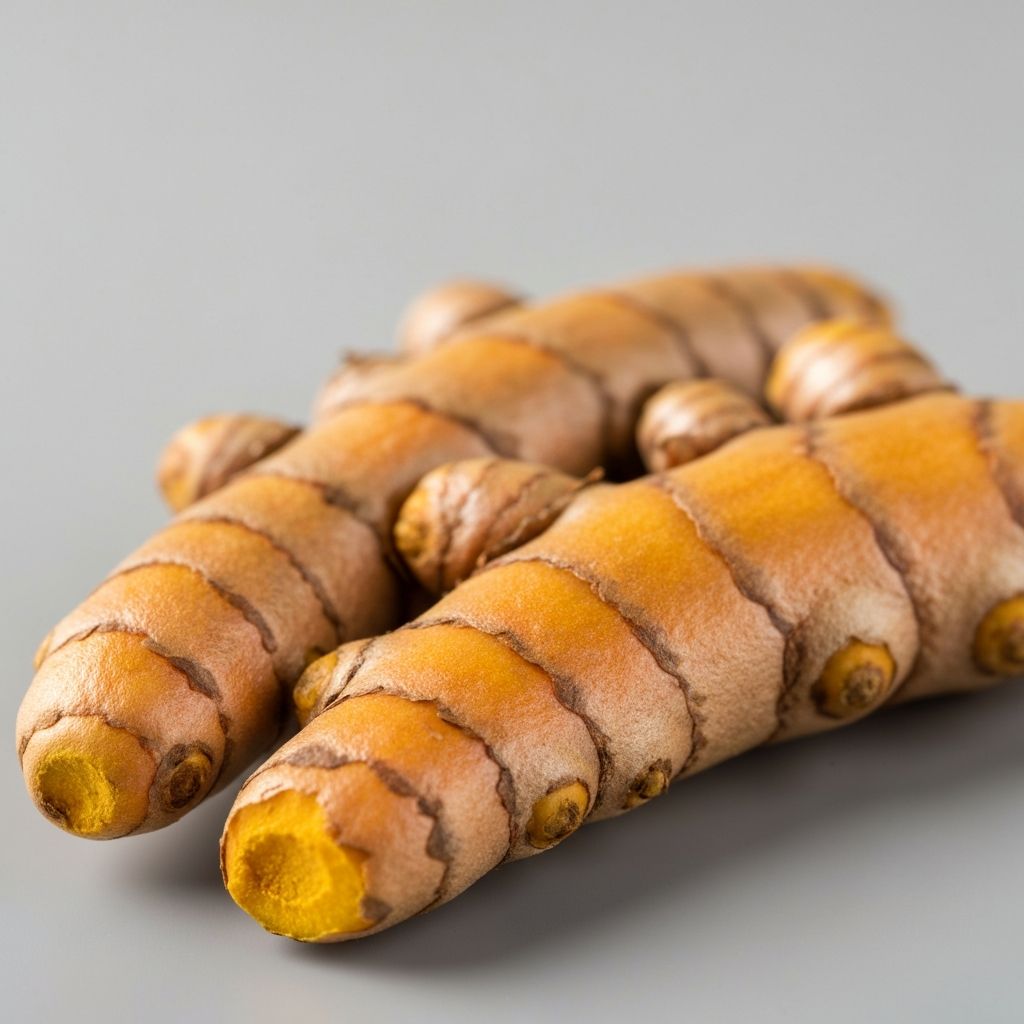
Curcumin: A Polyphenolic Compound
Curcumin is a naturally occurring polyphenol found in the rhizome of Curcuma longa. Academic research has extensively documented its molecular structure, consisting of two ferulic acid residues joined by a methylene bridge. The compound exhibits distinctive yellow coloration due to its conjugated diene structure.
Studies in phytochemistry have examined curcumin's interaction with various cellular pathways. Research institutions across Europe have published numerous papers on its antioxidant properties at the molecular level, though these remain subjects of ongoing scientific inquiry.
Boswellia Serrata Extract
Boswellia serrata, commonly known as Indian frankincense, contains boswellic acids as its primary active constituents. These pentacyclic triterpene molecules have been subjects of botanical and biochemical research for decades.
Historical texts from ancient civilizations document the use of Boswellia resin in traditional practices. Modern analytical chemistry has identified specific boswellic acid variants, including beta-boswellic acid and acetyl-11-keto-beta-boswellic acid, each with distinct molecular configurations.
Methylsulfonylmethane (MSM)
Methylsulfonylmethane is an organosulfur compound with the formula (CH3)2SO2. It occurs naturally in certain plants, animals, and geological formations. The compound serves as a source of bioavailable sulfur, an element present in numerous amino acids and proteins.
Research into MSM has explored its distribution in biological systems and its role in sulfur metabolism. Academic publications have examined its chemical stability and presence in various food sources, though quantities vary significantly.
Theoretical Basis of Cartilage Matrix
Cartilage is a specialized connective tissue composed primarily of water, collagen fibers, and proteoglycans. The extracellular matrix provides structural integrity and allows for compression resistance in joint spaces.
From a biochemical perspective, the cartilage matrix contains type II collagen as its predominant structural protein. Proteoglycans, particularly aggrecan, contribute to the tissue's capacity to retain water molecules, which is fundamental to its mechanical properties.
Glycosaminoglycans and Proteoglycans
Glycosaminoglycans (GAGs) are long unbranched polysaccharides consisting of repeating disaccharide units. Chondroitin sulfate and hyaluronic acid represent two major GAG types found in cartilaginous tissue. These molecules interact with core proteins to form proteoglycans.
The negative charge density of GAGs creates osmotic pressure that draws water into the matrix. This hydration is theoretically important for the tissue's ability to withstand compressive forces during weight-bearing activities.
Collagen Architecture
Type II collagen forms a fibrillar network that provides tensile strength to cartilage. The triple-helix structure of collagen molecules involves three polypeptide chains wound together, stabilized by hydrogen bonds and crosslinks.
Academic research has examined how collagen synthesis requires specific amino acids, including proline, glycine, and hydroxyproline. The hydroxylation process depends on cofactors such as vitamin C, which has been studied extensively in biochemical literature.
Nutritional Fundamentals for Urban Lifestyle

Micronutrient Overview
Micronutrients encompass vitamins and minerals required in small quantities for various biochemical processes. In the context of connective tissue biochemistry, certain micronutrients have been identified as cofactors in enzymatic reactions.
Vitamin C, or ascorbic acid, functions as a cofactor for prolyl hydroxylase and lysyl hydroxylase enzymes involved in collagen synthesis. Vitamin D receptors have been identified in numerous cell types, including those found in skeletal tissues. Vitamin E comprises a group of tocopherols and tocotrienols studied for their antioxidant properties at the cellular level.
Mineral Components
Minerals such as calcium, magnesium, zinc, and selenium participate in various physiological processes. Calcium ions play roles in numerous signaling pathways beyond their structural presence in mineralized tissue. Magnesium acts as a cofactor for over 300 enzymatic reactions documented in biochemical literature.
Zinc is present in numerous metalloenzymes and has been studied in relation to protein synthesis and cellular function. Selenium is incorporated into selenoproteins, which have been subjects of nutritional biochemistry research.
Dietary Protein and Amino Acids
Proteins provide amino acids necessary for the synthesis of structural proteins, enzymes, and signaling molecules. Essential amino acids must be obtained through dietary sources, as they cannot be synthesized endogenously.
Glycine, proline, and lysine are particularly abundant in collagen structure. While these are not classified as essential amino acids, their availability may influence protein synthesis rates under certain metabolic conditions studied in nutritional research.
Historical European Herbology

European herbal traditions have documented the use of various plant species for centuries. Medieval herbals and Renaissance botanical texts catalogued hundreds of plant species along with their traditional applications in different cultural contexts.
Monastic gardens across Europe cultivated medicinal herbs, and this knowledge was systematically recorded in manuscripts such as the Circa Instans and various editions of herbals by authors like Dioscorides, whose work influenced European botanical knowledge for over a millennium.
Traditional Plant Applications
Historical texts describe the use of willow bark, which contains salicin, a compound chemically related to modern salicylic acid derivatives. Meadowsweet (Filipendula ulmaria) was another plant documented in traditional European herbology, also containing salicylates.
Arnica montana has been referenced in European alpine traditional practices, though its use remained primarily topical in historical accounts. Devil's claw (Harpagophytum procumbens), though African in origin, entered European herbal pharmacopoeias through colonial botanical expeditions.
Evolution of Phytochemical Knowledge
The transition from empirical herbology to phytochemistry began in the 19th century as chemists isolated active compounds from plant materials. The extraction of morphine from opium poppy by Friedrich Sertürner in 1804 marked a pivotal moment in this scientific evolution.
This analytical approach continued with the isolation of numerous plant compounds, establishing the foundation for modern natural product chemistry. Contemporary phytochemical research employs sophisticated analytical techniques including chromatography, spectroscopy, and molecular biology methods.
Bioavailability of Plant Extracts
Absorption and Metabolism
Bioavailability refers to the fraction of an administered substance that reaches systemic circulation unchanged. For botanical compounds, this process involves dissolution, absorption across intestinal epithelium, first-pass metabolism, and distribution.
Curcumin exemplifies a compound with documented low bioavailability in its native form. Research has shown that co-administration with piperine, an alkaloid from black pepper, can modulate certain metabolic pathways, though the mechanisms remain subjects of ongoing investigation.
Formulation Considerations
Pharmaceutical and nutritional sciences have explored various formulation strategies to enhance compound delivery. Lipid-based formulations, particle size reduction, and complexation with cyclodextrins represent approaches documented in scientific literature.
Standardization of plant extracts involves quantifying specific marker compounds to ensure consistency. For example, Boswellia extracts may be standardized to specific percentages of boswellic acids, while curcumin extracts are often standardized to total curcuminoid content.
Research Methodologies
Bioavailability studies employ pharmacokinetic methodologies, measuring plasma concentrations of compounds over time. Parameters such as Cmax (maximum concentration), Tmax (time to maximum concentration), and area under the curve (AUC) provide quantitative data on absorption profiles.
In vitro dissolution testing and ex vivo permeation studies using intestinal tissue models offer additional insights into compound behavior. These methodologies form part of the standard analytical toolkit in pharmaceutical and nutraceutical research.
Global Standards in Phytological Education

Phytochemistry and botanical sciences are governed by international standards established by organizations such as the International Union of Pure and Applied Chemistry (IUPAC) and various pharmacopoeias including the European Pharmacopoeia and United States Pharmacopeia.
These standards define analytical methods, purity specifications, and identification protocols for plant materials and their extracts. Good Manufacturing Practice (GMP) guidelines provide frameworks for quality control in the production of plant-derived products.
Quality Control Parameters
Analytical testing of botanical materials includes identity verification through macroscopic and microscopic examination, thin-layer chromatography (TLC), and high-performance liquid chromatography (HPLC). Purity testing screens for heavy metals, pesticide residues, microbial contaminants, and adulterants.
Quantitative analysis determines the content of active constituents or marker compounds. Standardization to specific compound percentages allows for consistency in research and commercial applications, facilitating comparisons across studies.
Regulatory Frameworks
In the European Union, botanical products may be regulated as traditional herbal medicinal products, food supplements, or medicinal products depending on their intended use and claims. The Traditional Herbal Medicinal Products Directive (THMPD) established a simplified registration procedure for certain traditional herbal products.
Different jurisdictions maintain varying regulatory approaches to botanical substances. Understanding these frameworks is essential for interpreting research literature and contextualizing information about plant-based compounds.
Interaction Between Hydration and Movement
Water and Tissue Physiology
Water comprises approximately 60-70% of body mass and serves as a medium for biochemical reactions, nutrient transport, and waste removal. In connective tissues, water content significantly influences mechanical properties.
Cartilage contains 65-80% water by weight, held within the extracellular matrix through interactions with glycosaminoglycans. The hydration state of this tissue affects its ability to distribute compressive loads during movement activities.
Physical Activity Patterns
Biomechanical research has examined how different movement patterns generate varying stress distributions in musculoskeletal structures. Weight-bearing activities, non-weight-bearing exercises, and static postures each produce distinct mechanical environments.
Urban populations often experience reduced movement diversity compared to more physically varied lifestyles. Prolonged sitting, repetitive work motions, and limited range-of-motion activities characterize many modern occupational settings.
Theoretical Considerations
The relationship between tissue loading and nutrient exchange has been explored in biomechanical literature. Cartilage, being avascular, relies on mechanical compression and decompression cycles to facilitate nutrient diffusion and waste product removal.
Theoretical models suggest that both adequate hydration and regular movement contribute to maintaining the mechanical environment necessary for tissue homeostasis. These concepts remain active areas of research in biomechanics and physiology.
Theoretical Framework of Natural Components
The study of natural components encompasses multiple scientific disciplines including organic chemistry, pharmacognosy, ethnobotany, and molecular biology. This interdisciplinary approach has revealed the chemical diversity present in plant kingdoms.
Secondary metabolites in plants serve ecological functions such as defense against herbivores, attraction of pollinators, and competition with other plants. These compounds include alkaloids, terpenoids, phenolics, and various other structural classes.
Phytochemical Diversity
Estimates suggest that plants produce hundreds of thousands of distinct chemical compounds. Many of these remain uncharacterized, representing a vast reservoir of molecular diversity. High-throughput screening and metabolomics approaches continue to identify novel structures.
The concept of chemical ecology examines how these compounds mediate interactions between organisms and their environments. Understanding this context provides insights into why certain plants produce specific compounds and how these molecules function in biological systems.
From Traditional Knowledge to Modern Science
Ethnobotanical studies document traditional plant uses across cultures, providing starting points for phytochemical investigations. Many modern pharmaceuticals have origins in traditional plant medicine, including aspirin, digoxin, and numerous others.
The translation from traditional knowledge to scientific validation involves multiple steps: ethnobotanical documentation, phytochemical extraction and isolation, structure elucidation, biological activity testing, and mechanistic studies. This process requires years of interdisciplinary research.
Educational Perspective on Wellness
This resource approaches wellness topics from an educational standpoint, emphasizing knowledge dissemination rather than prescriptive guidance. The distinction between information and advice is fundamental to our mission.
We present scientific concepts, historical contexts, and theoretical frameworks to foster understanding of complex topics at the intersection of botany, biochemistry, and lifestyle factors. Readers are encouraged to explore these subjects as part of their broader educational interests.
Information Literacy
Navigating information about botanical compounds and wellness requires critical evaluation skills. Primary research articles, systematic reviews, and meta-analyses represent different levels of evidence in scientific literature. Understanding study design, sample sizes, and methodological limitations is essential for interpreting research findings.
Popular media often simplifies complex scientific concepts, sometimes leading to misunderstandings about the state of research. Educational resources should ideally help readers develop the skills to assess information quality and recognize the difference between preliminary findings and established scientific consensus.
The Nature of Scientific Knowledge
Scientific understanding evolves as new evidence emerges and methodologies improve. What appears well-established in one era may be refined or revised as research progresses. This iterative nature of science is a strength, not a weakness, of the scientific method.
Regarding botanical compounds and their interactions with biological systems, many questions remain open. Research continues across multiple disciplines, contributing incremental advances to our collective knowledge base.
Frequently Asked Questions
What is the purpose of this educational resource?
UrbanFlex serves as an informational platform exploring the scientific and historical aspects of botanical compounds, nutritional biochemistry, and their relationship to urban lifestyle factors. The resource provides educational content for knowledge purposes without offering medical advice or recommendations.
Does this resource provide medical guidance?
No. This is strictly an educational platform that presents scientific information, historical contexts, and theoretical frameworks. It does not diagnose conditions, recommend treatments, or provide individualized health advice. Personal decisions should be made in consultation with qualified professionals.
What topics does UrbanFlex cover?
The resource explores phytochemistry, botanical history, nutritional biochemistry, biomechanics, and the scientific literature surrounding plant-based compounds. Content includes molecular structures, historical uses in European herbology, bioavailability research, and theoretical aspects of connective tissue biochemistry.
How should I interpret the information presented?
Information should be understood in its educational context. Scientific research represents ongoing inquiry, not definitive prescriptions. Readers are encouraged to explore topics critically, recognize the limitations of current knowledge, and understand that individual circumstances vary widely.
Are the plant compounds discussed suitable for everyone?
This question falls outside the scope of our educational mission. Individual suitability involves numerous personal factors that cannot be addressed by general informational content. Such determinations require individual assessment by qualified professionals.
Where does the information come from?
Content is based on published scientific literature, historical texts, pharmacopoeial standards, and established biochemical principles. The resource synthesizes information from peer-reviewed journals, authoritative texts in botany and biochemistry, and documented historical sources.
Can I use this information to make personal decisions?
This resource provides educational content, not decision-making frameworks. Personal choices involve individual circumstances, existing health contexts, and numerous factors beyond the scope of general information. Educational content can inform understanding but does not replace individualized professional guidance.
Limitations and Context
The information provided on this platform is strictly educational and informational in nature. It does not constitute medical advice, diagnosis, treatment recommendations, or individualized guidance of any kind.
Scientific research on botanical compounds and nutritional biochemistry represents ongoing inquiry. Studies may show varying results, and conclusions remain subject to revision as new evidence emerges. The complexity of biological systems means that general information cannot predict individual responses or outcomes.
Approaches to wellness vary widely across individuals, cultures, and contexts. What may be appropriate in one situation may not be suitable in another. This diversity of approaches and individual variation underscores why general information cannot substitute for personalized professional assessment.
Readers should understand that exploring educational content does not establish any professional relationship. This platform does not provide services, consultations, recommendations, or outcomes. It exists solely to present information for educational and knowledge purposes.
Explore Additional Information
Continue your educational journey by examining our detailed sections on botanical science, historical herbology, and biochemical principles.
Access InformationContact Information
UrbanFlex
Revoluční 724/7
110 00 Staré Město
Prague, Czechia
Phone: +420 222 312 055
Email: [email protected]
Information Request Form
Use this form to request additional educational information or clarification on topics covered in this resource.